Material and Memory
Work that still shows the hands that made it.
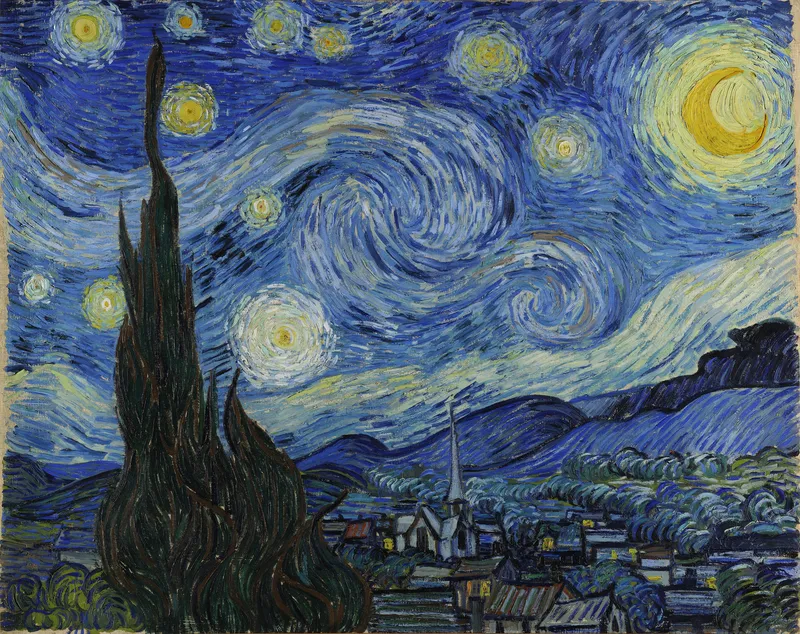
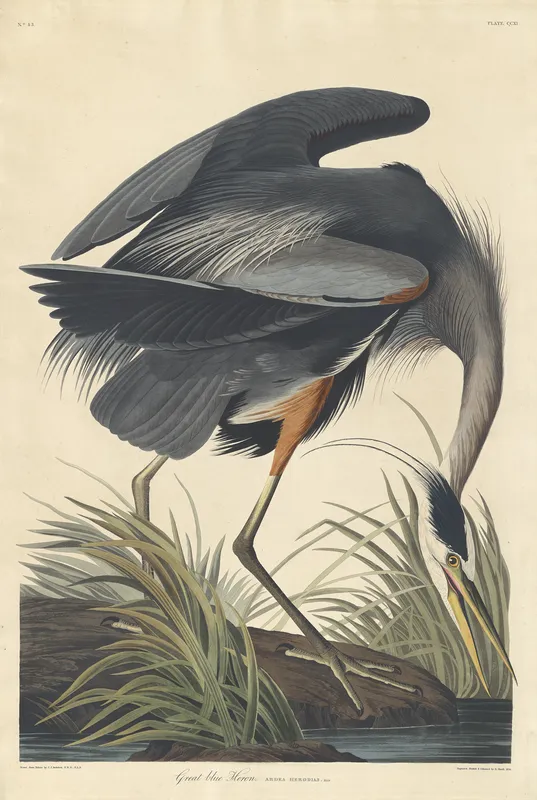
Three public domain works where the physical material is the evidence. Van Gogh's paint sits up off the canvas. Harriet Powers cut and stitched eleven Bible scenes in cotton. Audubon layered seven materials onto one bird study across thirteen years.
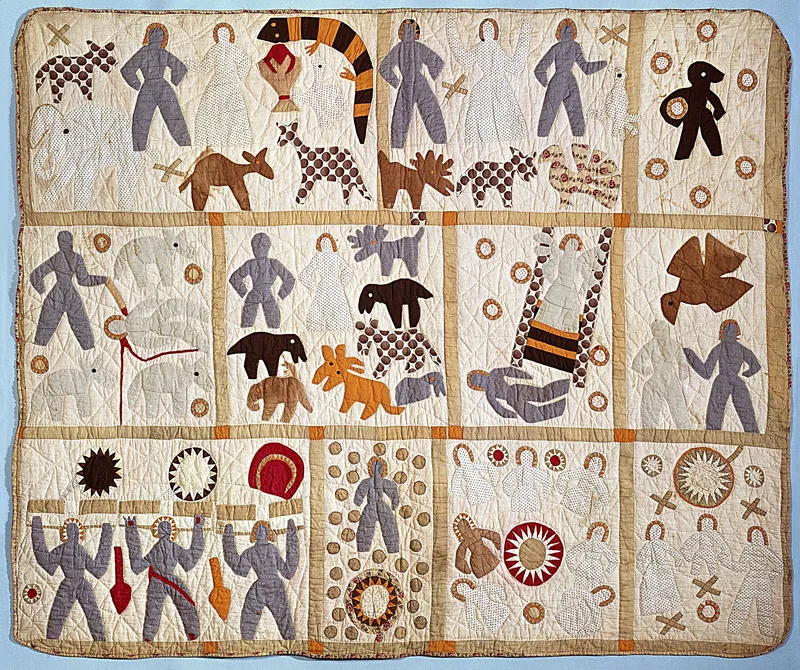
Van Gogh left thick paint and letters. Powers left stitches and spoken notes. Audubon left several materials layered across thirteen years.
An image generated in seconds has no record of being made. These three do, and you can check all of it. Paint thickness, stitch type, the oil Audubon brushed over his own watercolor in a different city a decade later.
What the Material Proves
Cloth, thread, paper and paint all record how they were handled. A machine stitch looks different from a hand stitch. Oil brushed over dried watercolor sits differently than oil on bare paper. Conservators read those differences the way a mechanic reads wear on a tire.
Three Kinds of Evidence in One Room
Van Gogh's proof is written: 903 of his letters survive, and he described his own pictures in them. Powers left spoken proof, because she explained each quilt block and someone wrote it down. Audubon left physical proof, since his heron sheet carries two separate work sessions thirteen years apart.
- Written proof: letters, notes and dated correspondence from the artist
- Spoken proof: the maker's own account of the work, recorded by someone else
- Physical proof: layers, repairs and reworkings visible in the object itself
Why This Matters More Now
A generated picture can imitate a brushstroke. It cannot produce a thirteen year gap between two sessions on the same sheet. When you buy human art, the material history is part of what you are buying.